
- Rex
- 0 Comments
Introduction
Muscle tightness, soreness, and chronic pain are common challenges for both active individuals and those with sedentary lifestyles. As a result, many people are exploring alternative therapies like cupping.
You may have seen athletes with circular marks on their skin and wondered, does it actually help?
In this guide, we’ll take a balanced, evidence-based look at cupping therapy benefits, how it works, and whether cupping for pain relief may be a suitable option as part of a broader treatment plan.
What Is Cupping Therapy?
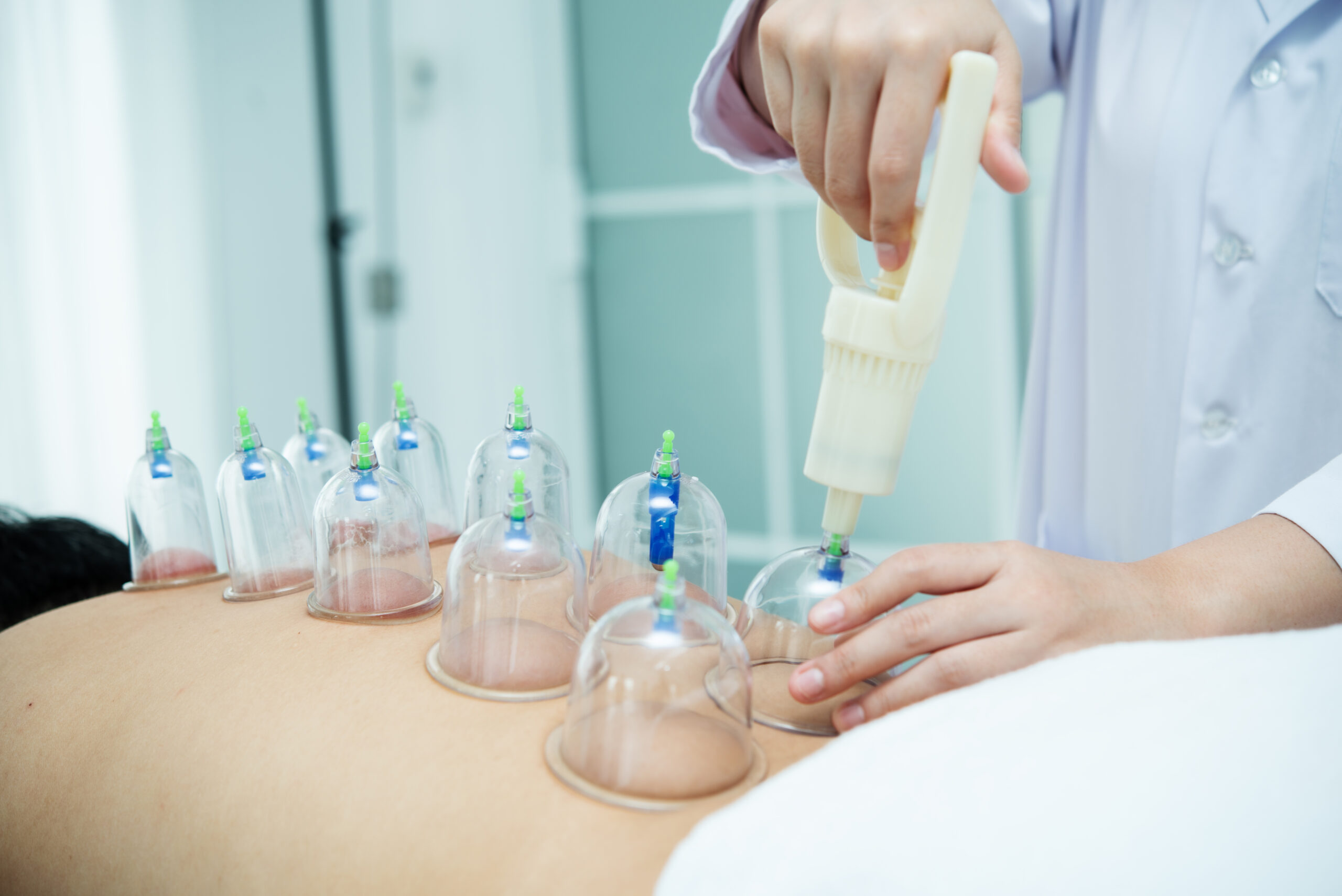
Cupping therapy is a traditional technique that uses suction cups placed on the skin to create negative pressure.
Common types:
- Dry cupping: Uses suction only
- Wet cupping: Involves controlled skin pricking (less common in clinical rehab settings)
In modern practice, dry cupping is more widely used in physiotherapy and wellness clinics.
How Does Cupping Work?
Cupping creates a suction effect that gently lifts the skin and underlying tissue.
Potential effects on the body:
- Increases local blood flow
- May help relax tight muscles
- Stimulates sensory nerves in the skin
These responses may contribute to temporary relief of muscle tension and discomfort.
Cupping Therapy Benefits
Many individuals including athletes use cupping as part of a recovery or pain management routine. Reported cupping therapy benefits may include:
1. Muscle Tension Relief
Cupping may help reduce tightness by improving circulation in targeted areas.
2. Support for Pain Management
Some people use cupping for conditions such as:
- Back and shoulder pain
- Neck stiffness
- Sports-related muscle soreness
It is often used alongside other therapies rather than on its own.
3. Improved Mobility
By reducing muscle stiffness, cupping may help improve flexibility and range of motion.
4. Relaxation and Recovery
Many patients report a sense of relaxation after sessions, which may support overall recovery.
Important: While some individuals experience benefits, scientific evidence is still evolving, and results can vary.
Why Athletes Use Cupping
Cupping gained popularity after being seen on professional athletes during major sporting events.
Reasons athletes use it:
- To support muscle recovery after training
- To reduce perceived soreness
- As part of a broader recovery strategy
However, it’s important to understand that cupping is not a replacement for proper training, rehabilitation, or medical care.
Is Cupping Effective for Pain Relief?
Cupping for pain relief may provide short-term benefits for some individuals, particularly for muscle-related discomfort.
What research suggests:
- It may help reduce pain perception in some cases
- Effects are often temporary
- Best used as part of a comprehensive treatment plan
It should not be considered a standalone solution for chronic or serious conditions.
Is Cupping Therapy Safe?
Cupping is generally safe when performed by a trained professional.
Common side effects:
- Circular marks or bruising (temporary)
- Mild soreness
When to be cautious:
- Skin conditions or open wounds
- Bleeding disorders
- Certain medical conditions
Always consult a healthcare provider if you are unsure whether cupping is appropriate for you.
What to Expect During a Session
If you’re considering cupping, here’s what typically happens:
Session overview:
- Assessment of your condition and goals
- Placement of cups on targeted areas
- Cups remain in place for several minutes or are gently moved
- Removal of cups and post-treatment advice
Marks left by the cups usually fade within a few days to a week.
When to Seek Professional Help
Cupping can support recovery, but you should seek medical evaluation if you experience:
- Persistent or worsening pain
- Pain after injury or trauma
- Numbness, tingling, or weakness
- Pain that limits daily function
A qualified healthcare provider can guide you toward appropriate treatment options.
Frequently Asked Questions (FAQ)
1. Does cupping therapy really work?
Some people report temporary pain relief and muscle relaxation, but results vary and evidence is still developing.
2. Are the marks from cupping harmful?
No. The marks are typically harmless and fade within several days.
3. How often should I get cupping therapy?
Frequency depends on your condition and goals. A qualified practitioner can recommend an appropriate schedule.
4. Is cupping painful?
Most people feel mild pressure or pulling, but it should not be painful.
5. Can cupping replace physical therapy?
No. Cupping is best used as a complementary therapy alongside treatments like physical therapy.
Conclusion
Cupping therapy offers a unique, non-invasive approach that may help relieve muscle tension and support recovery. While it’s not a cure-all, many individuals especially athletes find it beneficial as part of a broader care plan.
If you’re considering cupping for pain relief, working with a qualified professional can help ensure safe, appropriate use tailored to your needs.
