
- Rex
- 0 Comments
Introduction
Chronic pain especially in the back, neck, or joints can make daily life difficult and limit your ability to move comfortably. If medications or conventional treatments haven’t provided enough relief, you may be considering alternatives like acupuncture.
But does it actually work?
In this guide, we’ll take a balanced, evidence-based look at acupuncture for pain relief, including how it works, its potential benefits, and whether it may be helpful for conditions like acupuncture for back pain.
What Is Acupuncture?
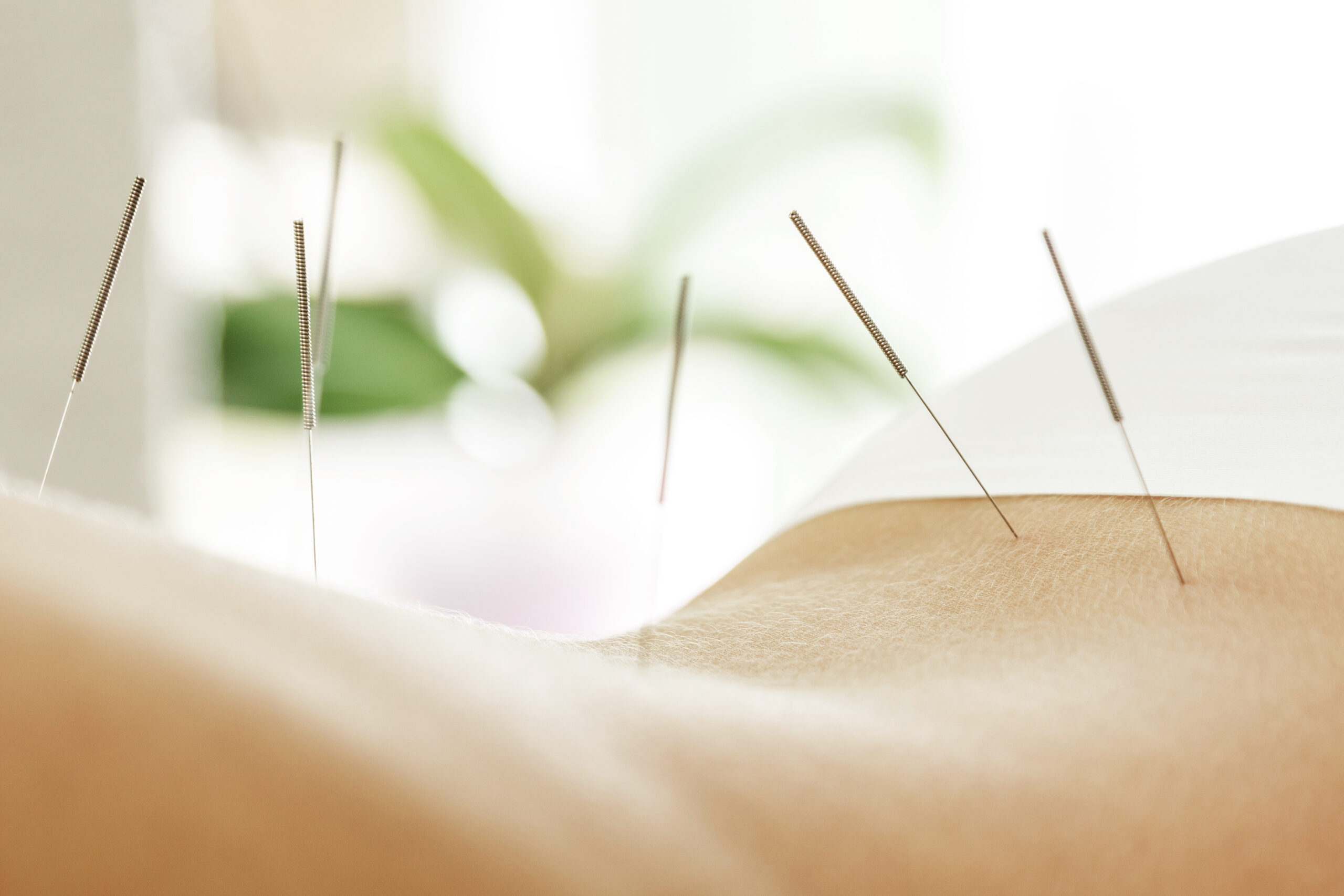
Acupuncture is a traditional therapy that involves inserting very thin needles into specific points on the body. It has been practiced for centuries and is now commonly used as a complementary treatment in modern healthcare settings.
Key features:
- Uses sterile, single-use needles
- Targets specific points related to pain and function
- Typically performed by licensed practitioners
Many people use acupuncture alongside other treatments such as physiotherapy or rehabilitation programs.
How Does Acupuncture Work?
There are both traditional and modern explanations for how acupuncture may help with pain.
From a modern medical perspective:
- It may stimulate nerves, muscles, and connective tissue
- It can promote the release of natural pain-relieving chemicals (like endorphins)
- It may help regulate how the brain processes pain signals
While research is ongoing, some studies suggest acupuncture can provide modest relief for certain types of chronic pain.
Acupuncture for Back Pain
Back pain is one of the most common reasons people try acupuncture.
What current evidence suggests:
- Some individuals experience short-term pain relief
- It may help reduce muscle tension and improve mobility
- It is often used alongside physical therapy for better outcomes
However, results vary. Acupuncture is generally considered a supportive therapy rather than a standalone solution for chronic back pain.
Acupuncture Benefits
People choose acupuncture as part of a broader, holistic care plan. Reported acupuncture benefits may include:
1. Pain Relief Support
May help manage conditions such as:
- Back and neck pain
- Joint discomfort
- Headaches or migraines
2. Muscle Relaxation
Can reduce tightness and improve circulation in affected areas.
3. Stress Reduction
Acupuncture sessions often promote relaxation, which may help reduce stress-related pain.
4. Improved Function and Mobility
Some patients report better movement and flexibility after consistent sessions.
Note: Benefits can vary depending on the individual, condition, and practitioner experience.
Is Acupuncture Safe?
When performed by a qualified professional, acupuncture is generally considered safe.
Possible side effects:
- Mild soreness or bruising at needle sites
- Temporary fatigue or lightheadedness
Serious complications are rare but can occur if the procedure is not performed properly. Always choose a licensed and trained practitioner.
What to Expect During a Session
If you’re new to acupuncture, understanding the process can help you feel more comfortable.
Typical session:
- Initial consultation about your symptoms and health history
- Placement of thin needles in specific points
- Needles remain in place for about 15–30 minutes
Most people feel minimal discomfort, and many report a sense of relaxation during treatment.
When to Seek Professional Help
Acupuncture can be part of a pain management plan, but it’s important to consult a healthcare provider if you experience:
- Severe or worsening pain
- Pain after injury or trauma
- Numbness, weakness, or nerve-related symptoms
- Ongoing pain that limits daily activities
A licensed professional can help determine the most appropriate treatment for your condition.
Frequently Asked Questions (FAQ)
1. Does acupuncture really work for pain?
Some evidence suggests it may help with certain types of chronic pain, but results vary. It is best used as part of a comprehensive treatment plan.
2. Is acupuncture painful?
Most people feel little to no pain. The needles are very thin, and sensations are usually mild.
3. How many sessions are needed?
This depends on the condition and individual response. Some people notice improvement after a few sessions, while others require ongoing treatment.
4. Can acupuncture cure chronic pain?
Acupuncture is not considered a cure. It may help manage symptoms and improve quality of life.
5. Is acupuncture safe for everyone?
It is generally safe, but individuals with certain medical conditions should consult a healthcare provider before starting.
Conclusion
Acupuncture can be a helpful option for those seeking a more holistic approach to pain management. While it may not work for everyone, some individuals experience meaningful relief especially when it’s combined with therapies like physiotherapy and lifestyle changes.
If you’re considering acupuncture, working with a qualified professional can help you explore whether it fits your overall recovery and wellness plan.
