
- Rex
- 0 Comments
Introduction
If you’re dealing with persistent pain, stress, or tension that doesn’t fully improve with conventional care, you may be exploring complementary approaches like craniosacral therapy (CST). Known for its gentle, hands-on technique, CST is often used as part of a broader wellness or rehabilitation plan.
In this guide, we’ll explain what craniosacral therapy is, how it works, its potential benefits, and who it may be suitable for so you can make an informed decision about your care.
What Is CranioSacral Therapy?
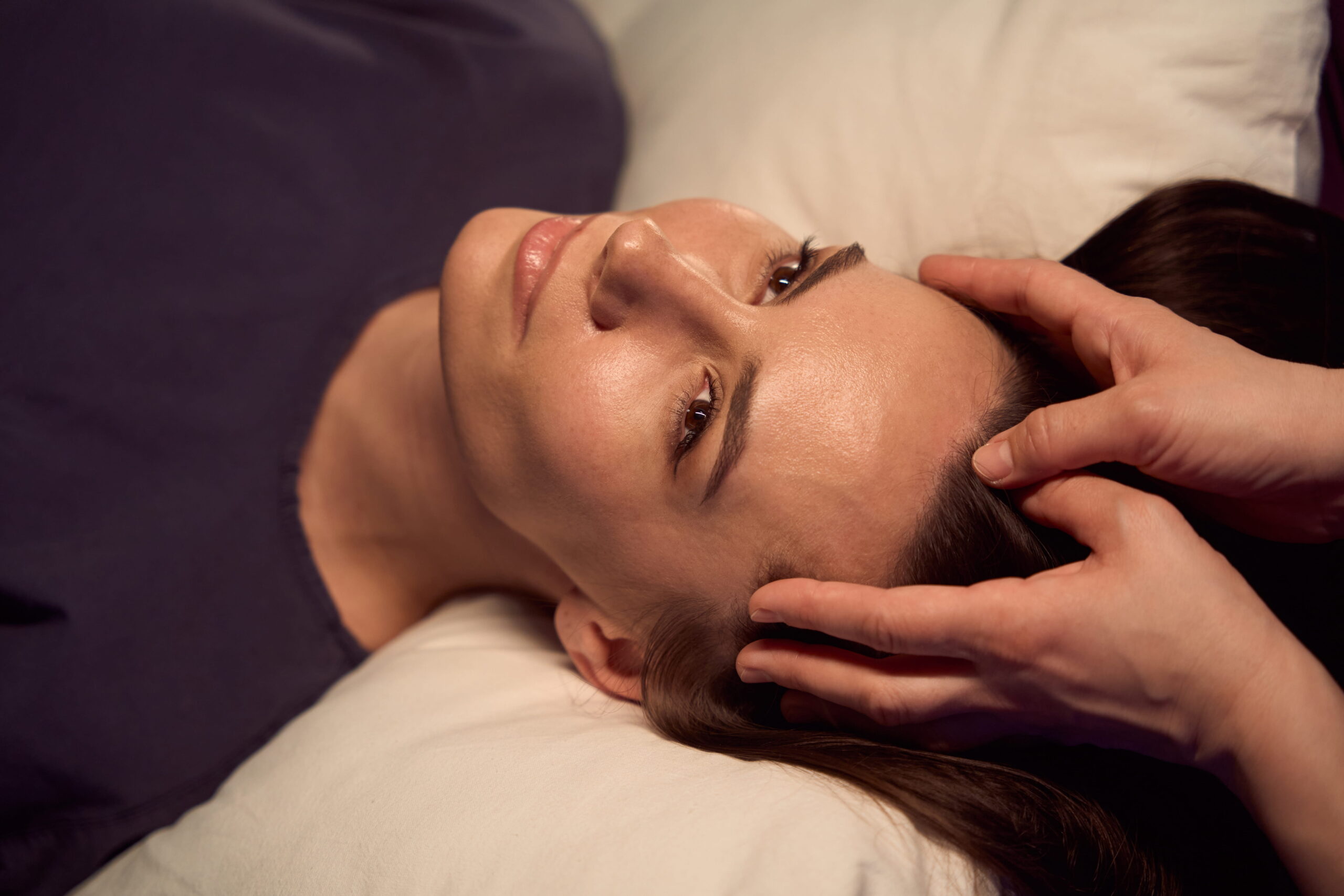
Craniosacral therapy is a light-touch, manual therapy that focuses on the craniosacral system this includes the membranes and fluid surrounding the brain and spinal cord.
Practitioners use subtle hand movements to assess and support the body’s natural rhythms and release areas of tension.
Key characteristics:
- Gentle, non-invasive technique
- Typically performed while lying fully clothed
- Focuses on improving body balance and relaxation
CST is commonly offered by trained physical therapists, osteopaths, or licensed bodywork practitioners.
How Does CranioSacral Therapy Work?
The goal of CST is to support the body’s natural ability to regulate and heal itself.
During a session:
- The practitioner applies light pressure (often described as the weight of a coin)
- Hands are placed on areas like the head, spine, or sacrum
- The session usually lasts 45–60 minutes
What it aims to do:
- Release tension in the nervous system
- Improve fluid movement around the brain and spine
- Promote deep relaxation
While some people report positive outcomes, it’s important to note that scientific evidence is still evolving, and results can vary between individuals.
Craniosacral Therapy Benefits
Many people explore CST as part of a holistic approach to wellness. Reported craniosacral therapy benefits may include:
1. Stress and Tension Reduction
CST may help calm the nervous system, which can support relaxation and reduce stress-related discomfort.
2. Relief from Chronic Pain
Some individuals use CST alongside other therapies for conditions like:
- Neck and back pain
- Headaches or migraines
- Muscle tension
3. Improved Sleep Quality
By promoting relaxation, CST may help improve sleep patterns for some individuals.
4. Support for Overall Well-Being
Many patients report feeling more balanced and relaxed after sessions, which can contribute to general wellness.
Important: These benefits are based on patient experiences and some clinical observations. CST should not replace medical treatment for serious conditions.
Who Might Benefit from CST?
Craniosacral therapy may be considered by individuals who:
- Experience chronic stress or tension
- Have ongoing musculoskeletal discomfort
- Prefer gentle, non-invasive therapies
- Are looking to complement existing treatment plans
If you are searching for CST therapy near me, it’s important to choose a qualified and licensed practitioner with appropriate training.
Is CranioSacral Therapy Safe?
CST is generally considered safe for most people when performed by a trained professional.
However, it may not be appropriate for certain conditions, such as:
- Recent head injuries
- Severe bleeding disorders
- Certain neurological conditions
Always consult with a healthcare provider before starting any new therapy, especially if you have underlying medical concerns.
When to Seek Professional Help
While complementary therapies like CST can support wellness, you should seek medical evaluation if you experience:
- Persistent or worsening pain
- Sudden or severe headaches
- Neurological symptoms (e.g., numbness, weakness)
- Pain following trauma or injury
A licensed healthcare provider can guide you on safe and appropriate treatment options.
Frequently Asked Questions (FAQ)
1. Does craniosacral therapy really work?
Some individuals report benefits, particularly for relaxation and stress relief. However, scientific evidence is still limited, and results vary.
2. Is CST the same as massage therapy?
No. While both are hands-on therapies, CST uses much lighter touch and focuses on the craniosacral system rather than muscles alone.
3. How many sessions do I need?
The number of sessions varies depending on individual goals and conditions. Some people notice changes after a few sessions, while others may need ongoing care.
4. Can CST replace medical treatment?
No. CST should be used as a complementary therapy, not a replacement for medical care.
5. How do I find a qualified CST practitioner?
Look for licensed professionals with formal training in craniosacral therapy and experience in treating your specific concerns.
Conclusion
Craniosacral therapy offers a gentle, holistic approach that may support relaxation, pain management, and overall well-being. While it’s not a cure-all, it can be a valuable addition to a broader treatment plan when used responsibly.
If you’re considering CST, consult with a qualified professional who can assess your needs and help you determine if it’s a good fit for your health goals.
